
Refrigerated freight services that hold your temperature from pickup to delivery
Vesta Freight arranges refrigerated shipping nationwide for companies moving perishable goods that require consistent temperature control. Tell us the set point, and we’ll source a carrier that can hold it, vet the carrier before dispatch, and monitor your freight through delivery.
Reefer shipping is not a commodity service. Maintaining the cold chain requires the right equipment and careful oversight throughout the shipment. Temperature-controlled freight needs planning that starts before the trailer arrives. Cross-border transportation is also available when needed.
Vetted carriers
Loads
Customer retention
On-time Reefer Shipments
- MC 1383401
- DOT 3822073
- Carriers vetted through MyCarrierPortal
- MacroPoint tracking on every load
What is Refrigerated Freight Shipping?
Not all refrigerated cargo requires the same conditions:
Frozen products: require deep cold to remain frozen throughout transit
Also important: Temperature-controlled goods can be damaged by too much cold as easily as too little.
When Should You Use Refrigerated Shipping?
Reefer equipment makes sense when a shipment must arrive within a specified temperature window to be accepted. One of the key advantages is that your entire shipment stays in one truck at a consistent setting, without transfers that can compromise temperature control.
Freight With Stated Temperature Requirements
Product with a range on the spec sheet or purchase order. If temperature requirements are on the paperwork, they get checked at the door with due diligence.
Frozen Freight
Frozen cargo that has to stay frozen end to end. No partial thaw. No refreeze. No compromises.
Freight That Cannot Freeze
Beverages, liquids, adhesives, and coatings are not perishable cargo, but freezing ruins them. The unit runs warm, not cold.
Long Transit Lanes
Freight moving long distances, where ambient exposure compounds hour after hour. A dry van can’t do it.
Regulated and High-Value Loads
Temperature-sensitive freight where a receiver or auditor wants proof the high-value load stayed in range, not just your word that it did.
Refrigerated Cargo We Move
Perishable items have different temperature and handling requirements. Fresh produce, frozen goods, and pharmaceuticals each require specific conditions and refrigerated equipment during transit.
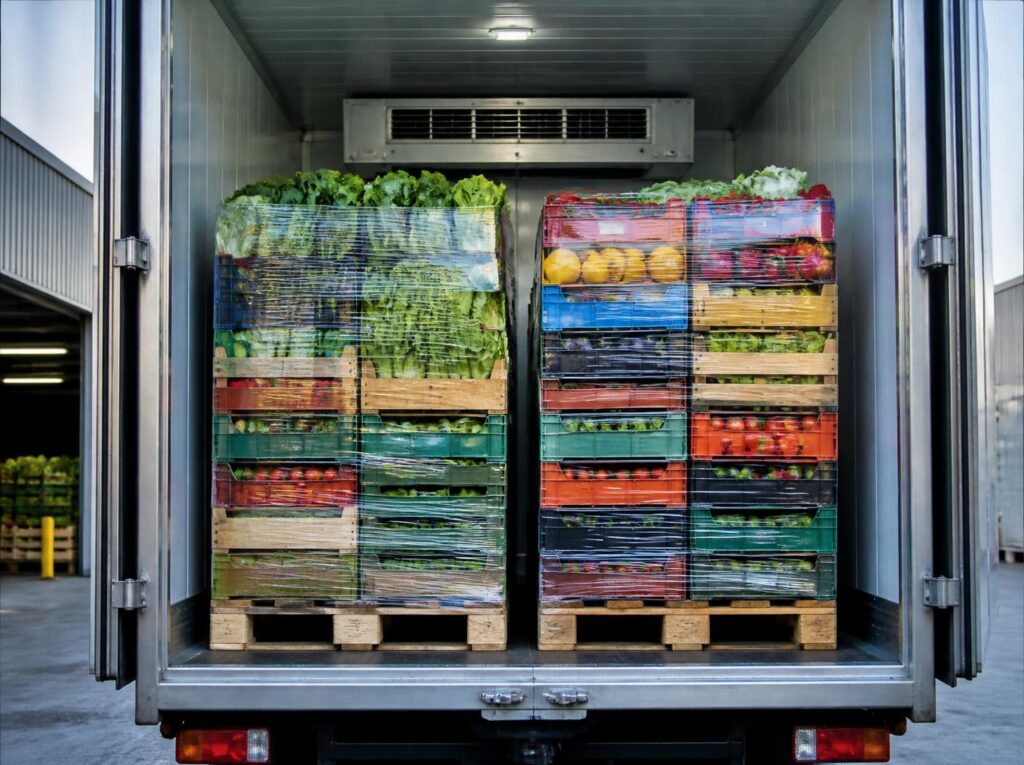
Produce
Fresh fruits and vegetables that require temperature-controlled transportation from pickup through delivery.
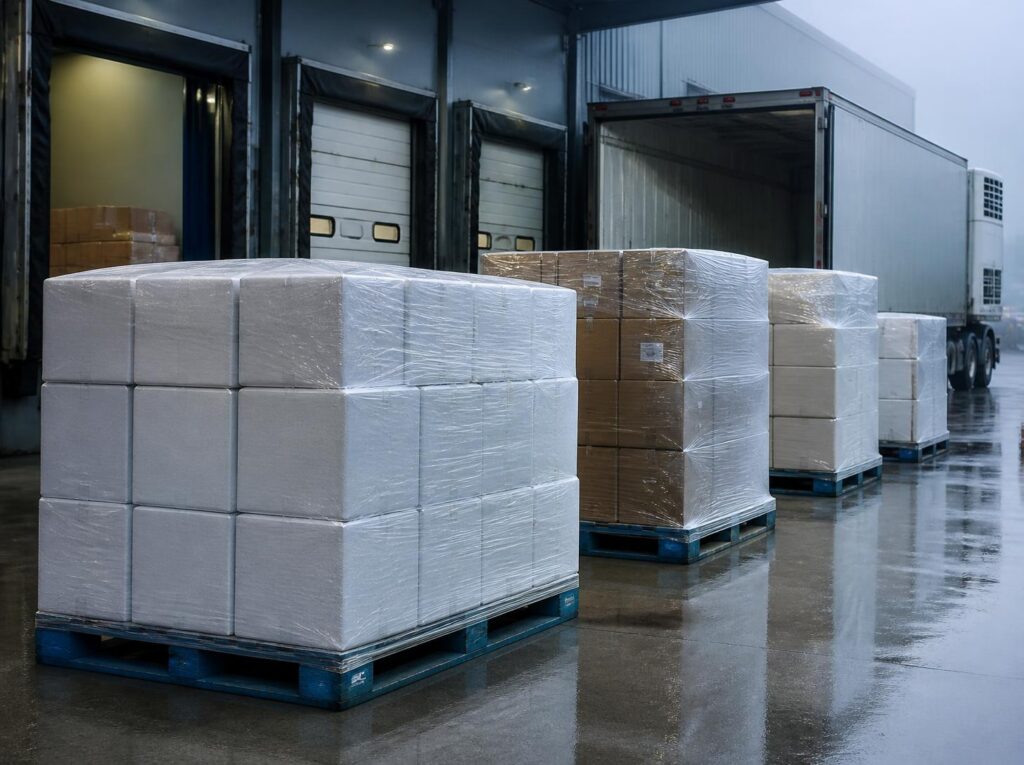
Meat, Poultry, and Seafood
Protein loads, meat through seafood, where set point and sanitation matter.
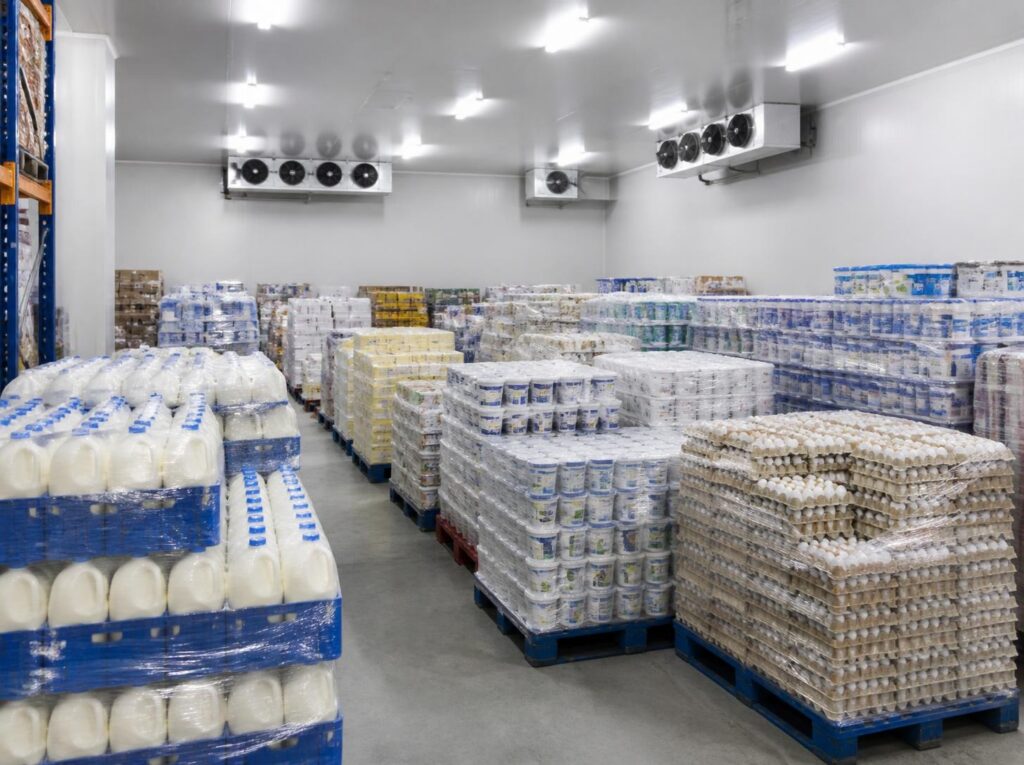
Dairy and Eggs
Short shelf life and appointment-driven receivers.
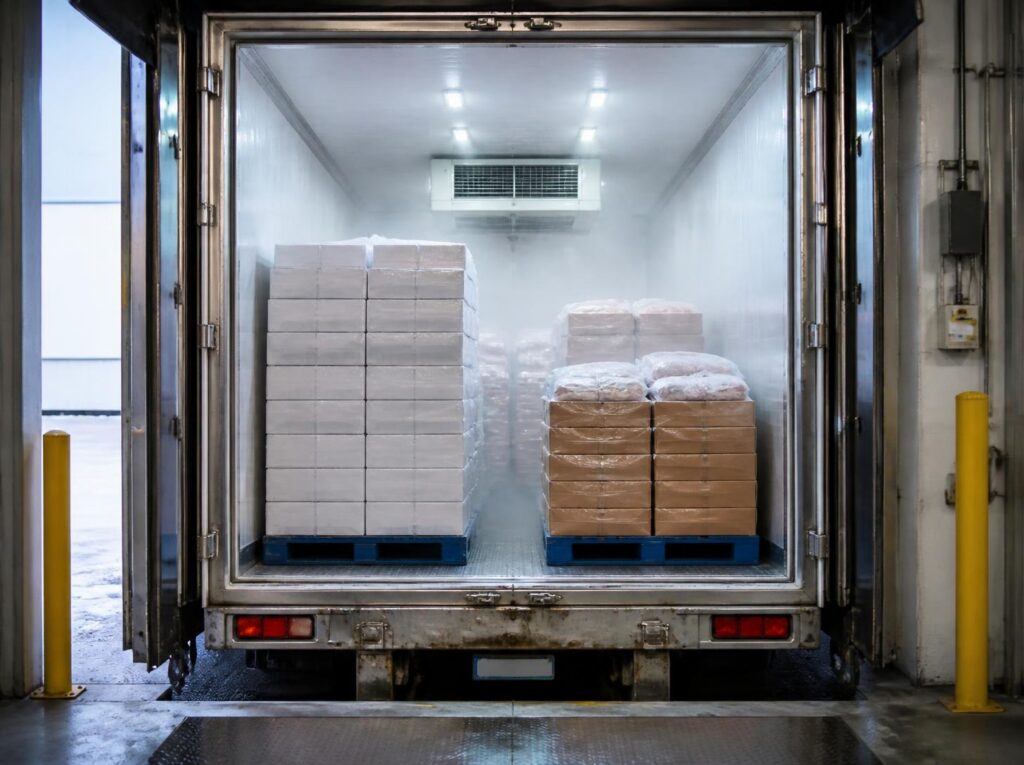
Frozen Foods
Frozen foods and ice cream with no tolerance for a warm spot in the lane.
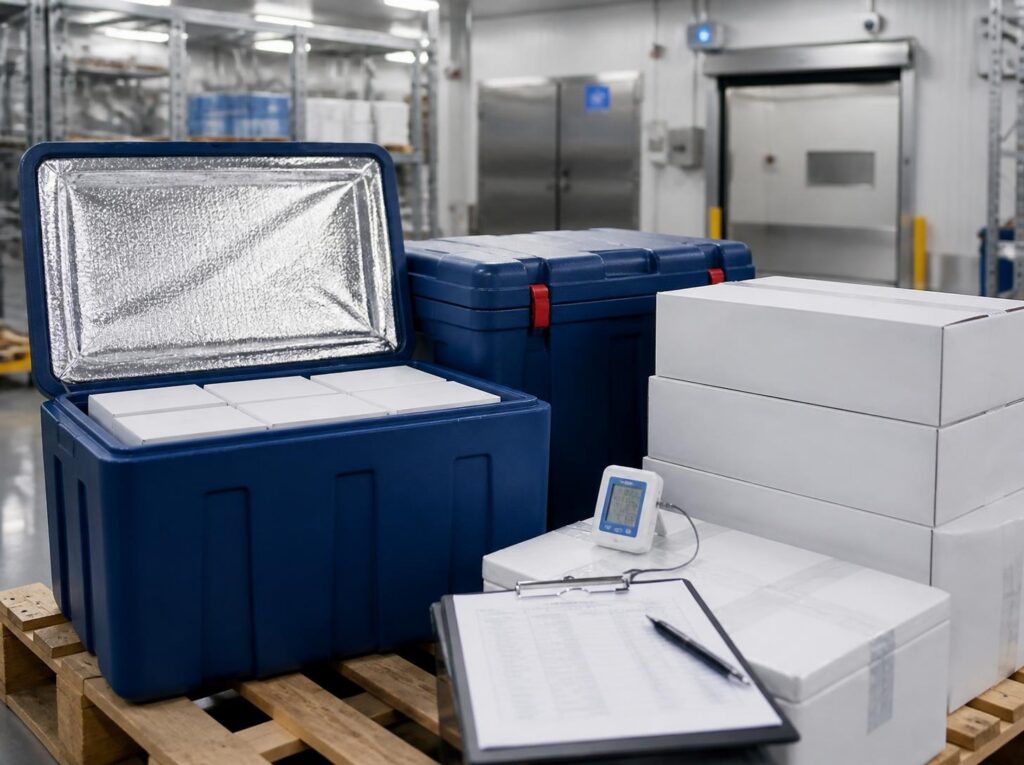
Pharmaceuticals and Healthcare
Sensitive goods needing documentation and chain of custody.
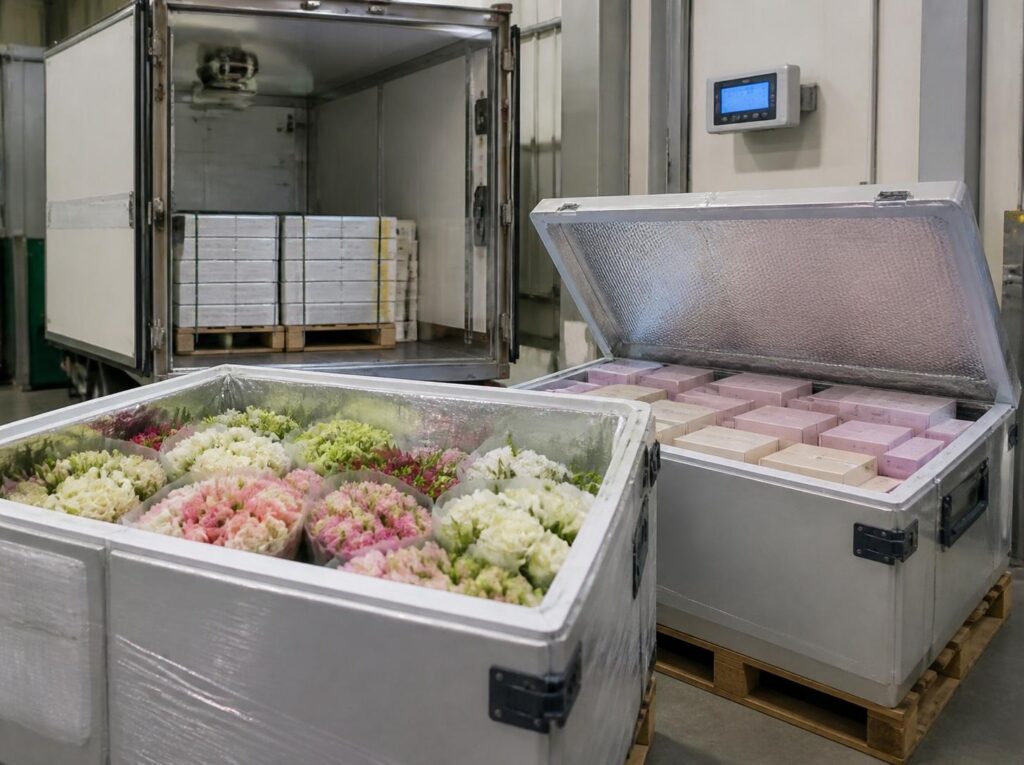
Floral, Cosmetics, and Chemicals
Temperature-sensitive products that are not food but degrade the same way.
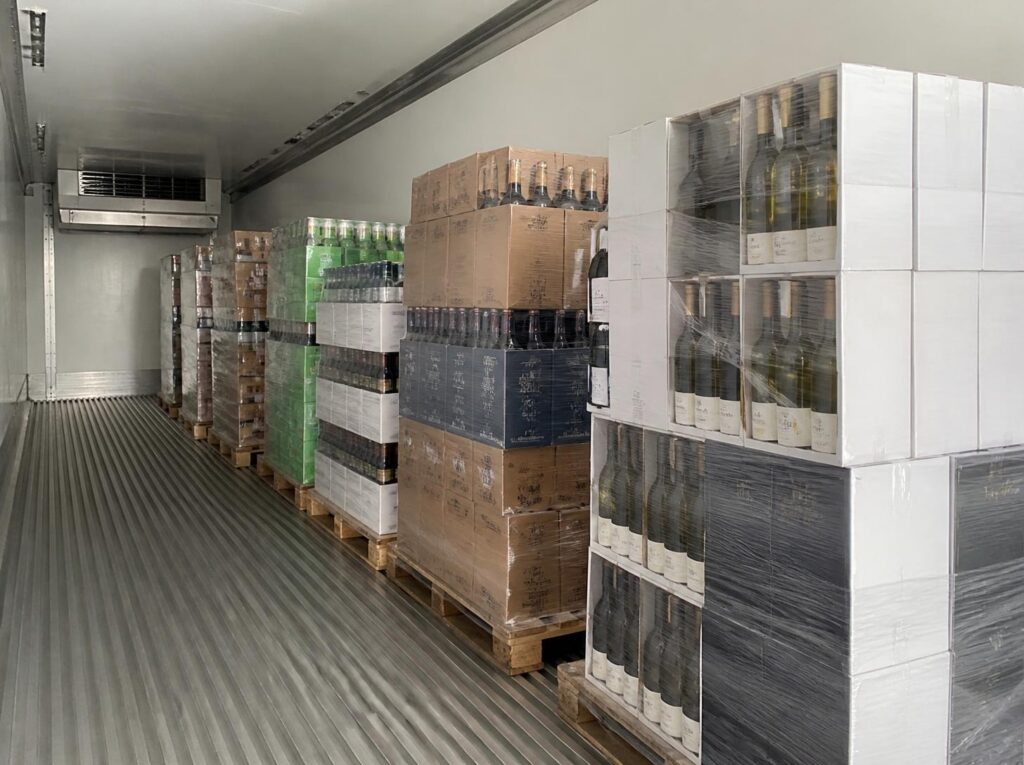
Spirits, Wine, and Beer
Heat-damaged liquor is a risk that you can’t afford to take. Wine cooks above 80°F and beer stales with temperature cycling.
Reefer Equipment and Temperature Ranges
Different products require different temperature conditions. Vesta sources equipment specifically designed for those requirements rather than pushing every load into the same trailer.
| Freight Class | Industry-Standard Set Point | Notes |
|---|---|---|
| Freight ClassFrozen | Set Point0°F (−18°C) or below | NotesContinuous run, pre-cooled trailer |
| Freight ClassChilled and fresh | Set PointAround 35°F (2°C), by commodity | NotesApples 30–32°F, lettuce 32°F |
| Freight ClassChill-sensitive | Set PointAround 55°F (13°C) | NotesBananas 56–58°F. Colder causes chilling injury |
| Freight ClassProtect from freeze | Set PointUnit runs in heat mode | NotesWarm, not cold. Winter lanes |
| Freight ClassPharmaceutical |
Set Point
36–46°F refrigerated 68–77°F room temp |
NotesUSP ranges, documentation required |
Reefer trailers are equipped with insulated walls and a dedicated refrigeration unit, while a ducted floor circulates air throughout the load. How the load is built affects how well the reefer unit can do its job. Efficient loading, pallet spacing, and a clear return air chute help maintain the set temperature.
Temperature requirements also vary by commodity. Fresh produce may require fresh air exchange and stable humidity levels during transit, while frozen freight does not.
How Vesta Protects Your Cold Chain
Cold chain shipping can fail quietly if temperature problems go unnoticed in transit. FAO reports that 526 million tonnes of food, around 12% of the global total, is lost for lack of refrigeration.
On one load it is a rejected delivery, a credit, and a customer who remembers what went wrong. To prevent that, protecting cold chain integrity requires the right equipment, continuous monitoring, and the ability to act on a delay before it reaches your receiver.
Carrier Qualification and Verification
Every carrier is vetted through MyCarrierPortal before dispatch: MC and DOT authority, insurance, inspection history, VIN validation, and driver verification. For cold freight we source carriers with properly maintained refrigerated equipment and verify they can maintain precise temperature control for your load.
Real-Time Monitoring in Transit
A Descartes MacroPoint link gives you real-time monitoring of your shipment while our team tracks the cargo 24/7. This advanced monitoring provides visibility throughout transit, so you know where your shipment stands.
Proactive Communication
You shouldn’t spend your day chasing carriers. We communicate throughout the move, so you know where the load stands before you have to ask.
Intervention When Something Changes
When a shipment falls behind schedule we step in immediately. Protecting product integrity means acting on a delay, not reporting it. Your freight should leave in optimal condition, and the goods arrive in the same condition.
Vetted Carriers
Loads
On-Time Delivery
How Refrigerated Freight Rates are Calculated
Reefer rates carry everything a dry van rate carries, plus the cost of running the unit. That’s the honest answer to why cold freight costs more than dry freight.
Origin, Destination, and Mileage
Produce seasons move refrigerated capacity in ways dry van demand doesn’t.
Temperature Requirement
Frozen generally prices above chilled because the unit works harder and runs longer.
Commodity and Load Profile
Density, pallet count, respiration, and handling requirements can all affect the rate. Rates for temperature-sensitive cargo reflect the equipment and oversight required to move it properly.
Reefer Fuel
The unit burns its own diesel, the line item shippers least expect and why reefer cargo isn’t priced like dry freight.
Seasonality and Capacity
Harvest windows and holiday freeze pull equipment from a region.
Timing and Urgency
A last-minute booking leaves a much smaller qualified pool of trucks.
Stops and Appointments
Every door opening is a temperature event, and detention costs more when the unit runs.
Published averages don’t account for the stops, appointment requirements, and wait times on your specific route. Consolidating freight into one full truckload is often more cost-effective than splitting it, but the only way to learn your rate is to get a quote.
How Vesta Manages Your Refrigerated Shipment
We Confirm Your Requirements
Commodity, set point, pickup and delivery locations, pallet count, weight, appointments, and any special handling at loading.
We Source Qualified Equipment
Carriers with properly maintained refrigerated equipment, verified against your requirements before the load is awarded.
We Vet the Carrier
MyCarrierPortal checks on authority, insurance, inspection history, VIN, and driver identity. Before dispatch, not after.
Tracking Goes Live at Pickup
A MacroPoint link is issued to the driver and to you the moment the shipment moves.
We Monitor Through Delivery
We watch the load, stay in contact with the carrier, and intervene if the schedule slips.
Refrigerated Freight for Food, Beverage, and Healthcare Shippers
USDA shipment data shows 7.76 million tons of fresh produce moved by truck in Q1 2026. Vesta works with middle-market shippers who need a dependable cold supply chain without an internal transportation department, where product quality is the point.
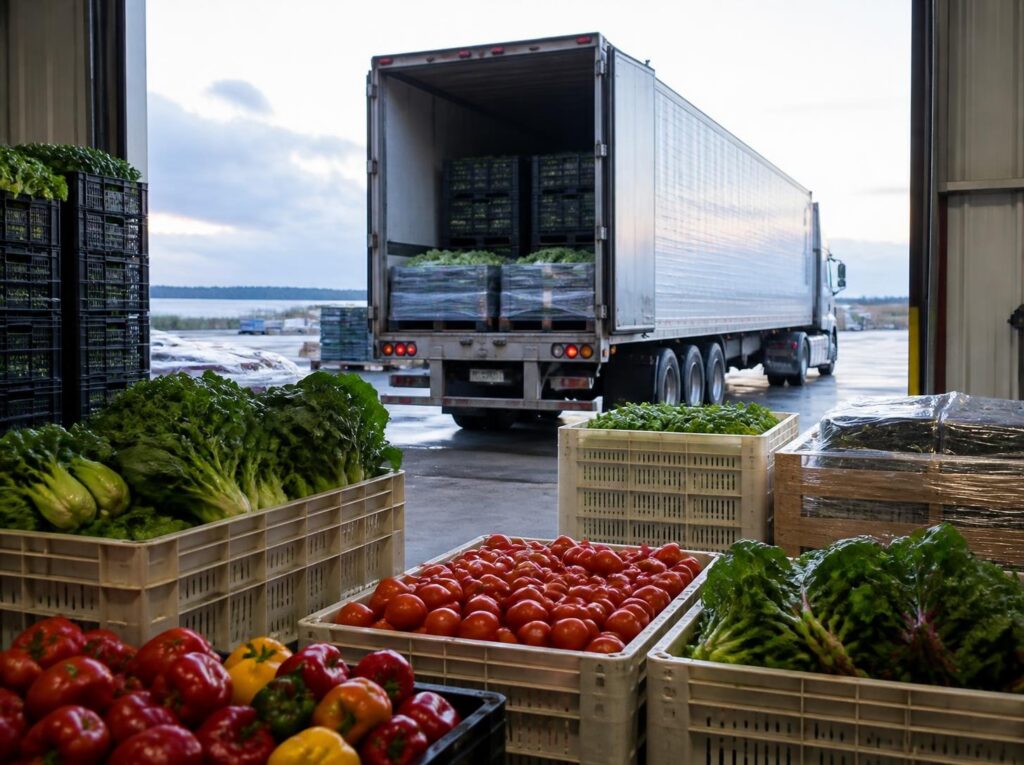
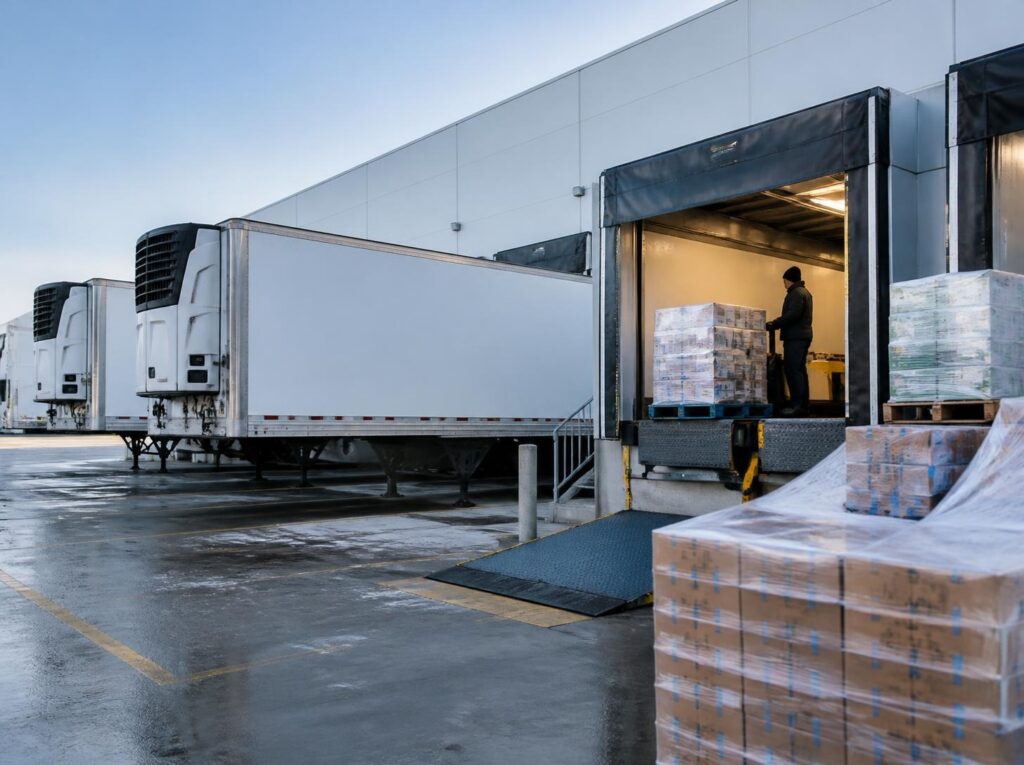
Growers and Produce Shippers
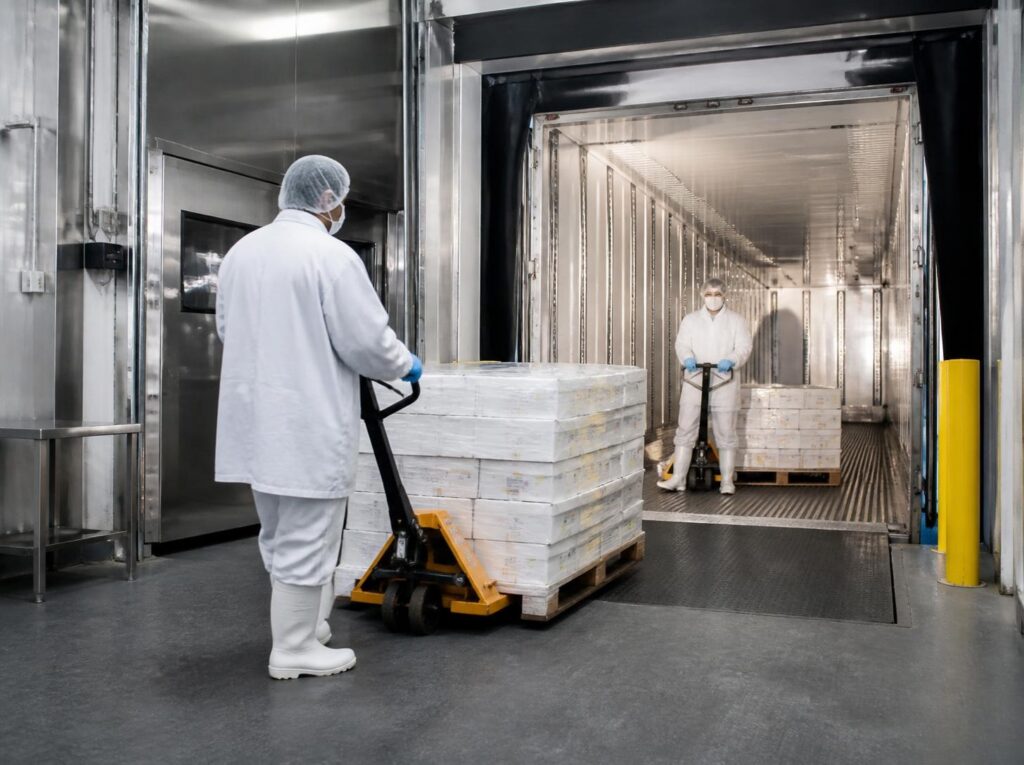
Food Processors and Manufacturers
Meat, Poultry, and Seafood
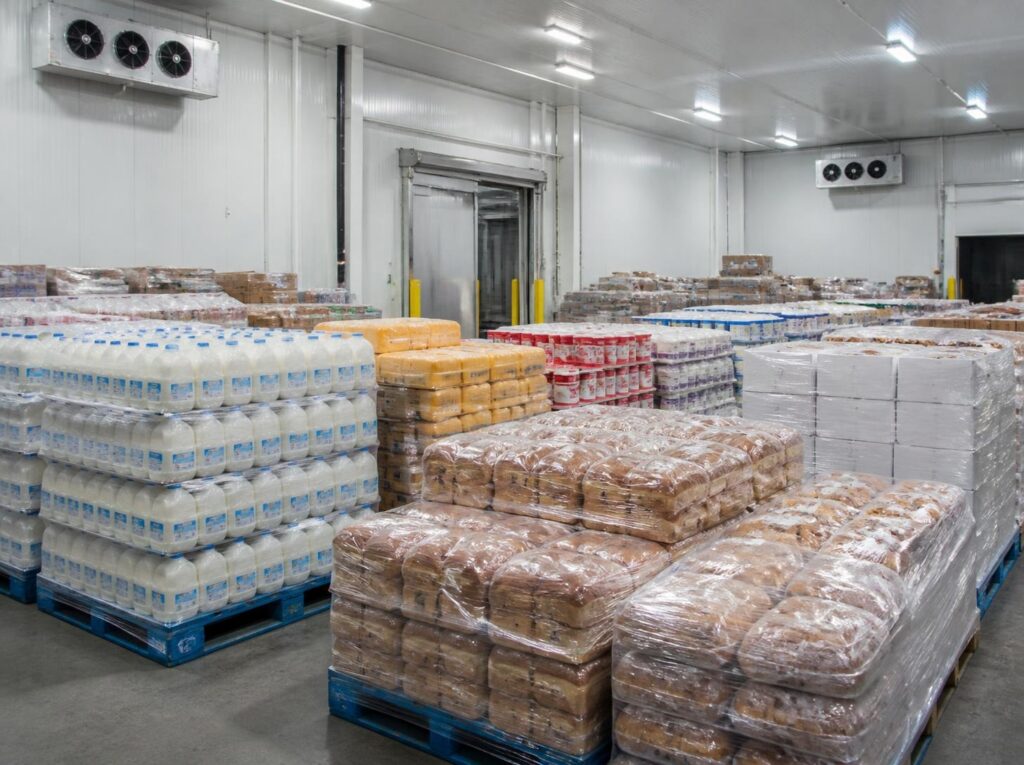
Dairy, Beverage, and Bakery
Short shelf life and tight delivery windows, including beverage freight that needs protection from freezing on winter lanes.
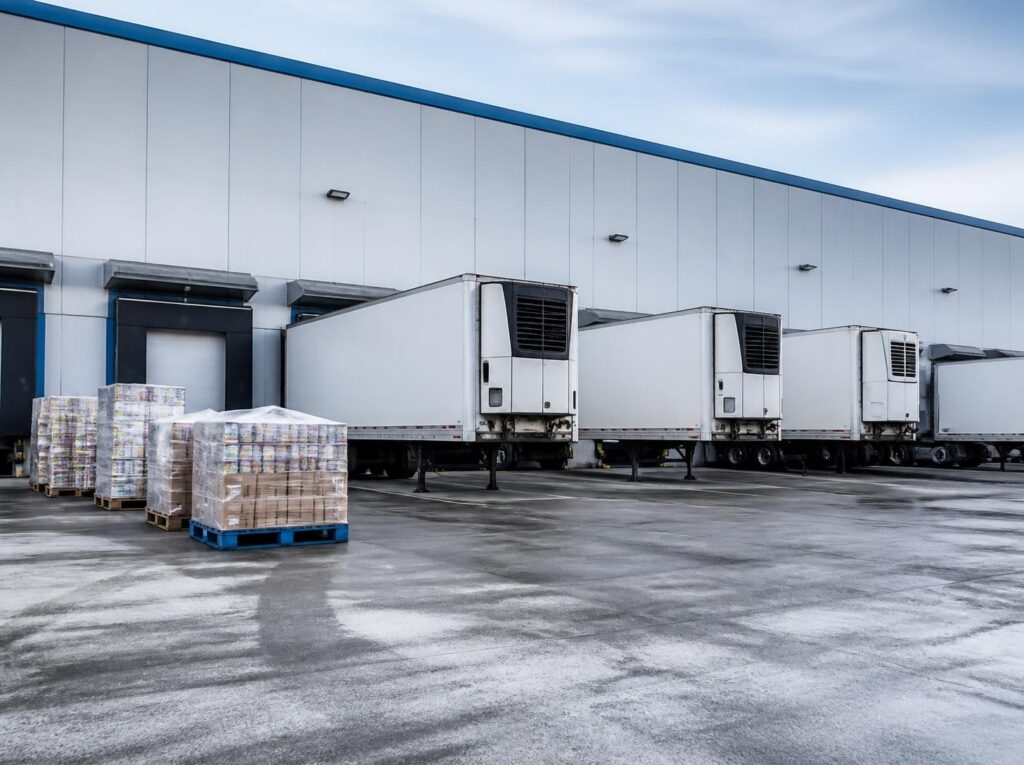
Grocery, Wholesale, and Distribution
Freight moving into distribution centers on strict appointments, where dwell at the dock is a temperature risk as well as a cost.
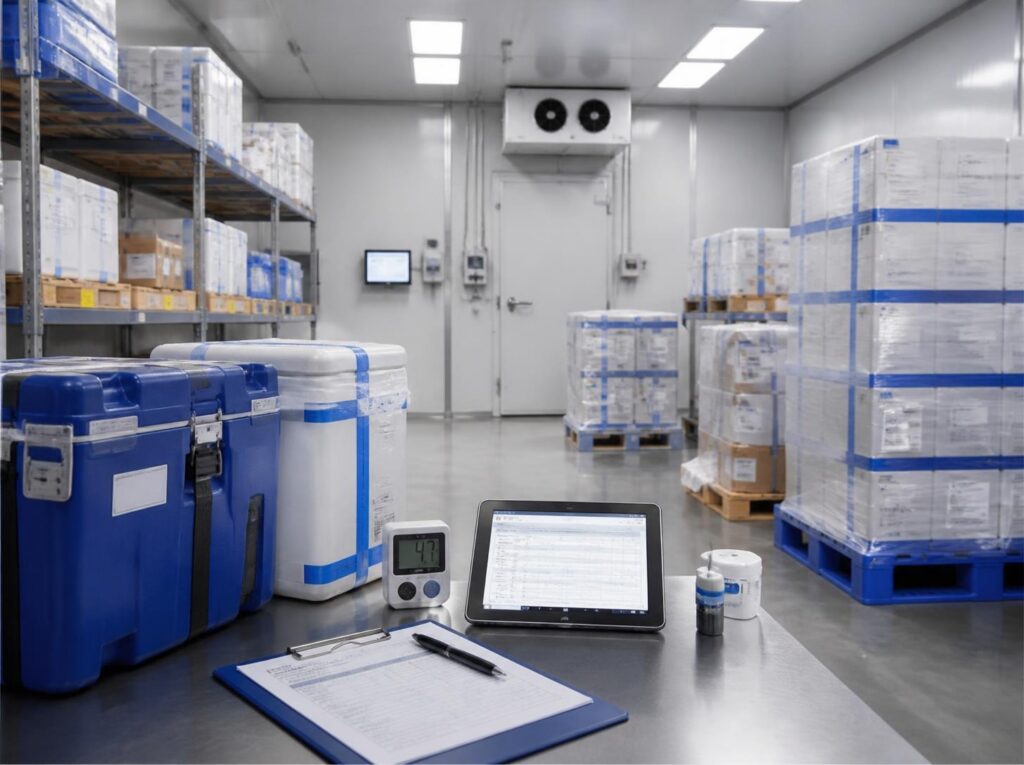
Pharmaceutical and Healthcare
Common Refrigerated Shipping Challenges, and How Vesta Freight Takes the Pressure Off
Vesta keeps refrigerated freight moving by managing the details that matter most. From temperature control to timing and communication, you have a reliable solution at every stage of the shipment.
Finding Qualified Capacity
Reefer capacity can be harder to secure than dry van capacity, especially during peak produce seasons. Vesta works with a vetted carrier network to find available, qualified capacity for your load instead of a load board.
Equipment Problems in Transit
Rejection at the Receiver
Appointment Windows and Dwell
Cross-Border Cold Freight
Why Choose Vesta Freight for Refrigerated Freight?
Booking a truck is the easy part. What happens between pickup and delivery is what shippers judge a broker on, and it is why 97% of our customers stay. Vesta brings extensive experience in truckload brokerage to every cold shipment, with the same vetting and monitoring discipline.
Communication That Doesn't Leave You Guessing
Carrier Security Built Into the Process
Technology-Enabled Visibility
A Single Team Managing the Shipment
Relationships, Not Just Transactions
An Extension of Your Logistics Team
Refrigerated Freight FAQs
How much does it cost to ship refrigerated freight?
Rates depend on lane, mileage, temperature, equipment availability, reefer fuel, and timing. There is no flat national price. Send details and we will quote your load.
What temperature does a reefer trailer maintain?
It depends on the commodity. Frozen generally moves at 0°F or below, most fresh products around 35°F, chill-sensitive closer to 55°F. Give us your set point and we will source equipment that holds it.
Who offers refrigerated shipping?
Refrigerated carriers and freight brokers do. Vesta arranges refrigerated truckload nationwide, vetting the carrier and managing the load through delivery.
Can I ship refrigerated items through UPS or USPS?
Parcel carriers handle small insulated packages with coolants, not pallets. Once you are moving pallet quantities or a full trailer, you need refrigerated truckload.
Is there refrigerated LTL?
Yes, though shared cold freight means more handling and transfers, and every transfer is a risk. Larger or sensitive loads do better on a dedicated truck.
Are refrigerated freight rates going up in 2026?
Reefer rates move with capacity, diesel, and produce seasonality rather than a fixed trend. Published indexes track the market weekly, and we quote conditions on your lane.
What happens if my load arrives out of temperature?
Tell us immediately and we work the claim with the carrier. Preventing it is the better answer, which is why we verify equipment before dispatch and monitor in transit.